
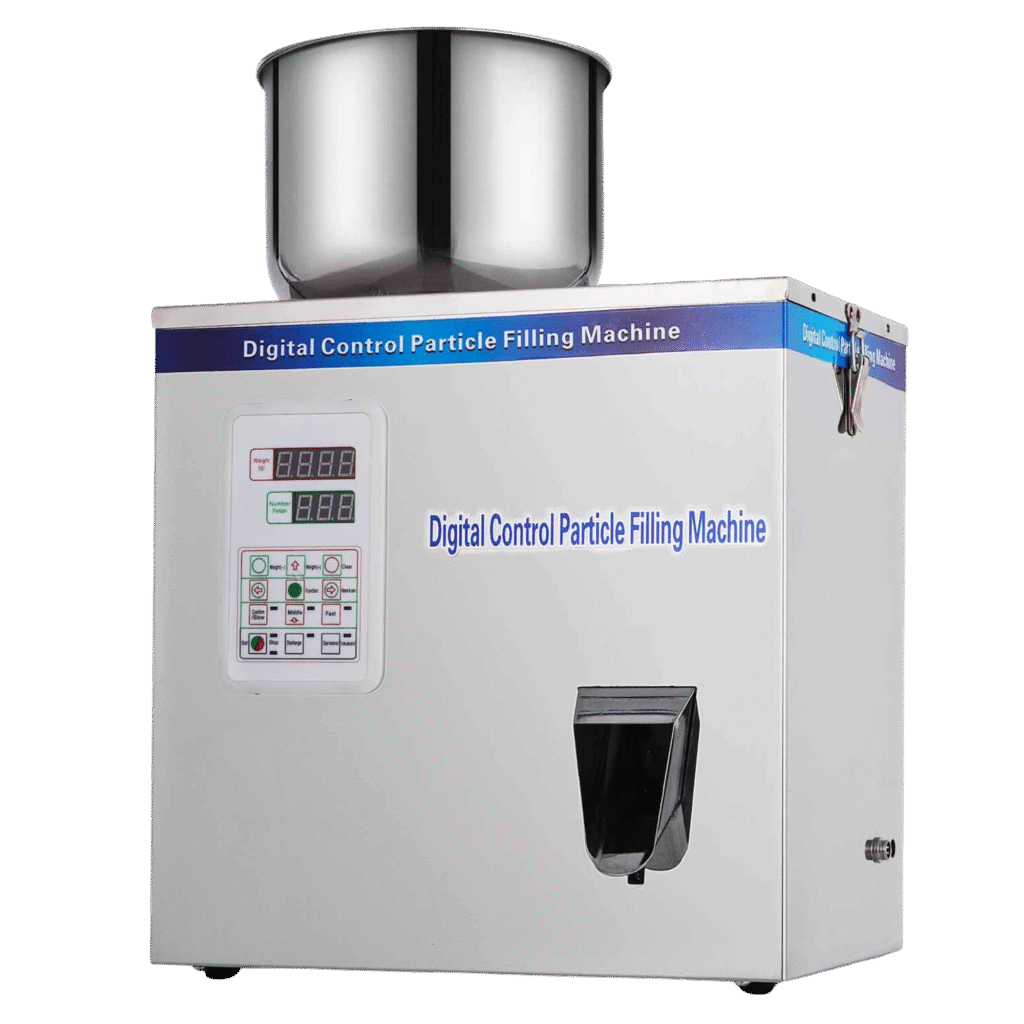
In today’s fast-paced manufacturing landscape, efficiency and precision are no longer just optional they are essential. For industries that handle granular products like food items, pharmaceuticals, agricultural goods, or chemicals, Granule Filling Machines play a critical role in ensuring product consistency, reducing waste, and streamlining production.
But what exactly are granule filling machines? How do they work? And why are they such a vital component of modern packaging lines? This blog provides a comprehensive overview of granule filling machines, their types, benefits, and the industries they serve.
What is a Granule Filling Machine?
A granule filling machine is specialized packaging equipment designed to accurately dispense granular products such as sugar, rice, spices, tea, seeds, detergent powder, fertilizers, or pharmaceutical granules into pre-formed containers or packaging units (pouches, bottles, jars, etc.).
The main goal of these machines is to automate and standardize the filling process, minimizing human error, maximizing speed, and maintaining product hygiene.
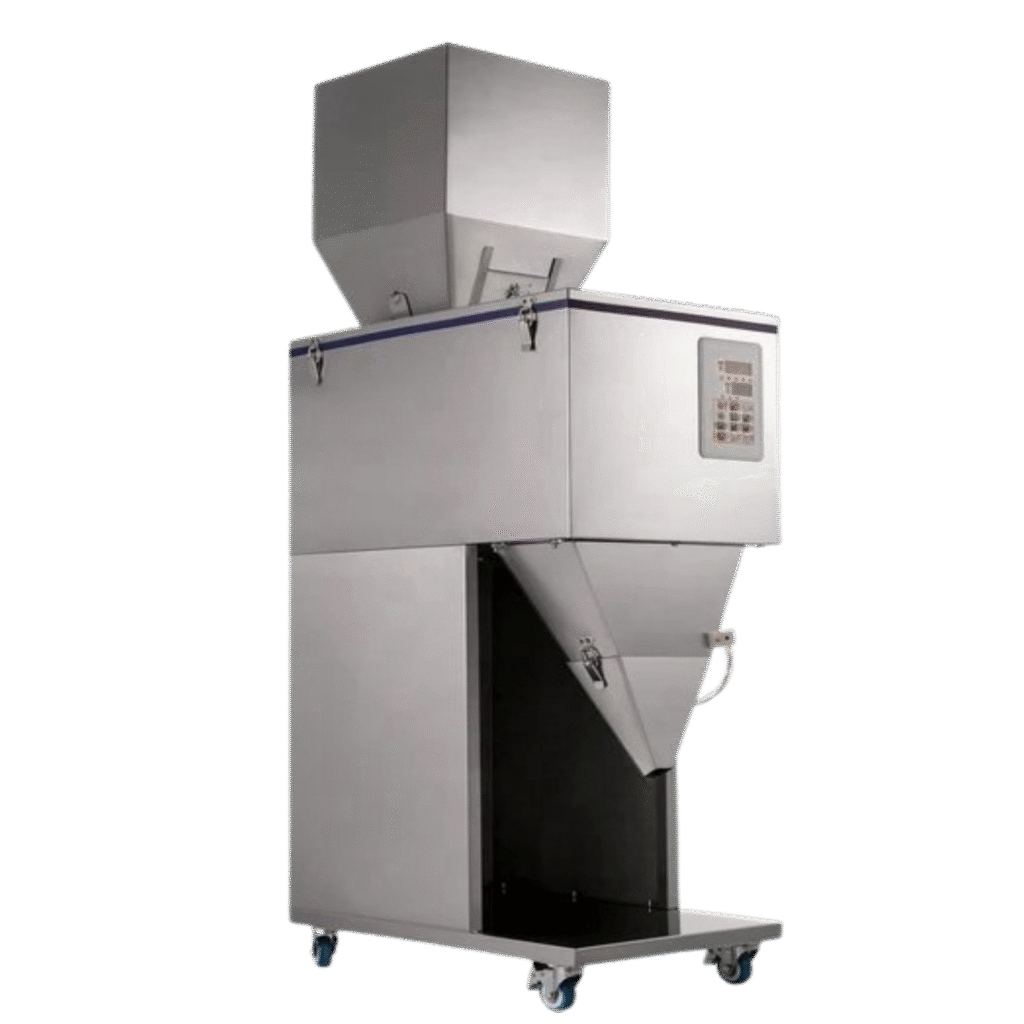
How Do Granule Filling Machines Work?
The working principle of a granule filling machine depends on its type, but the general process involves:
- Feeding System: Granules are fed into a hopper from bulk storage.
- Weighing or Volumetric Mechanism: The machine uses either a volumetric cup filler, auger screw, or electronic weigher to measure the product.
- Dispensing: The measured amount is dispensed into a container or packaging unit.
- Sealing/Packaging (Optional): In integrated systems, the machine may also seal the container or form a pouch around the filled product.
Types of Granule Filling Machines
Granule filling machines come in various forms depending on application, automation level, and precision required:
1. Volumetric Granule Filling Machines
- Mechanism: Use pre-defined cup sizes to fill a fixed volume of product.
- Best for: Non-uniform but free-flowing granules like rice, grains, or coffee beans.
- Pros: Simple design, cost-effective.
- Cons: Less accurate for varying granule densities.
2. Weighmetric (Weight-Based) Granule Filling Machines
- Mechanism: Use load cells and electronic weighing systems to fill by weight.
- Best for: Applications requiring high accuracy like pharmaceuticals or nutraceuticals.
- Pros: Highly precise, reduced product giveaway.
- Cons: Higher cost, more complex.
3. Auger Filler Machines
- Mechanism: Use a rotating auger screw to dispense product based on rotation count.
- Best for: Semi-free flowing powders and granules.
- Pros: Controlled filling for fine granules, adaptable.
- Cons: Not ideal for irregular-sized granules.
4. Automatic vs. Semi-Automatic Machines
- Automatic: High-speed operations, integrated with conveyor systems and packaging units.
- Semi-Automatic: Operator-assisted, lower cost, ideal for small-scale production or startups.
Choosing the right machine requires understanding your product characteristics, production volume, packaging format, and budget. If you’re unsure where to start, our team is here to help.
[Contact Us Today] or explore our range of high-performance Granule Filling Machines built to deliver reliability, accuracy, and unmatched value.