
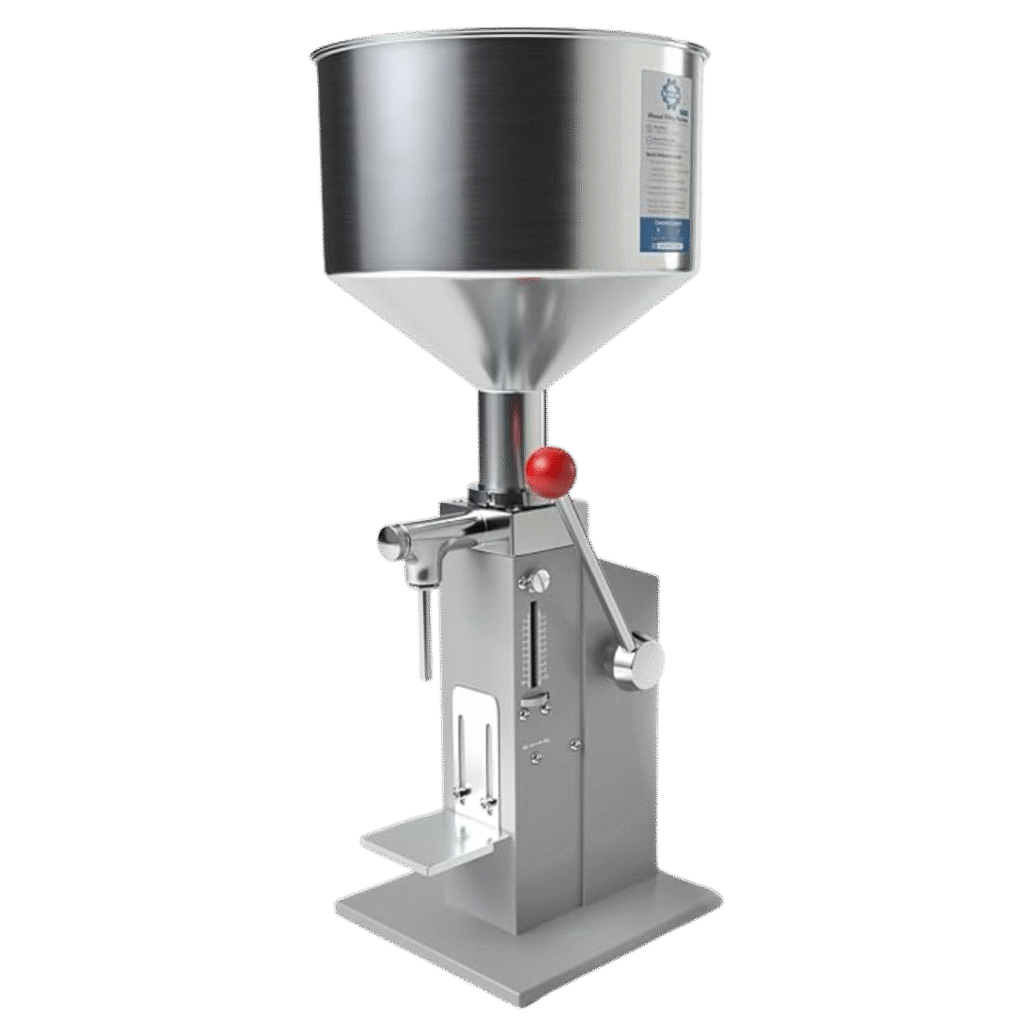
In the competitive world of manufacturing, consistency, efficiency, and hygiene are key drivers of success—especially when handling liquid and semi-liquid products. Whether you’re in the food industry filling sauces, the cosmetics industry packaging creams, or the pharmaceutical sector bottling syrups, one machine remains crucial: the Liquid and Paste Filling Machine.
This blog delves into what liquid and paste filling machines are, how they work, the different types, and how they can transform your production line with precision and productivity.
What is a Liquid and Paste Filling Machine?
A liquid and paste filling machine is specialized equipment designed to accurately dispense fluids or viscous products into containers such as bottles, jars, pouches, or tubes. These machines streamline the packaging process, ensuring each unit receives the correct amount of product minimizing waste, maximizing efficiency, and maintaining hygiene.
From low-viscosity liquids like water and oils to high-viscosity pastes like gels, creams, or thick sauces, these machines handle a wide range of product textures.
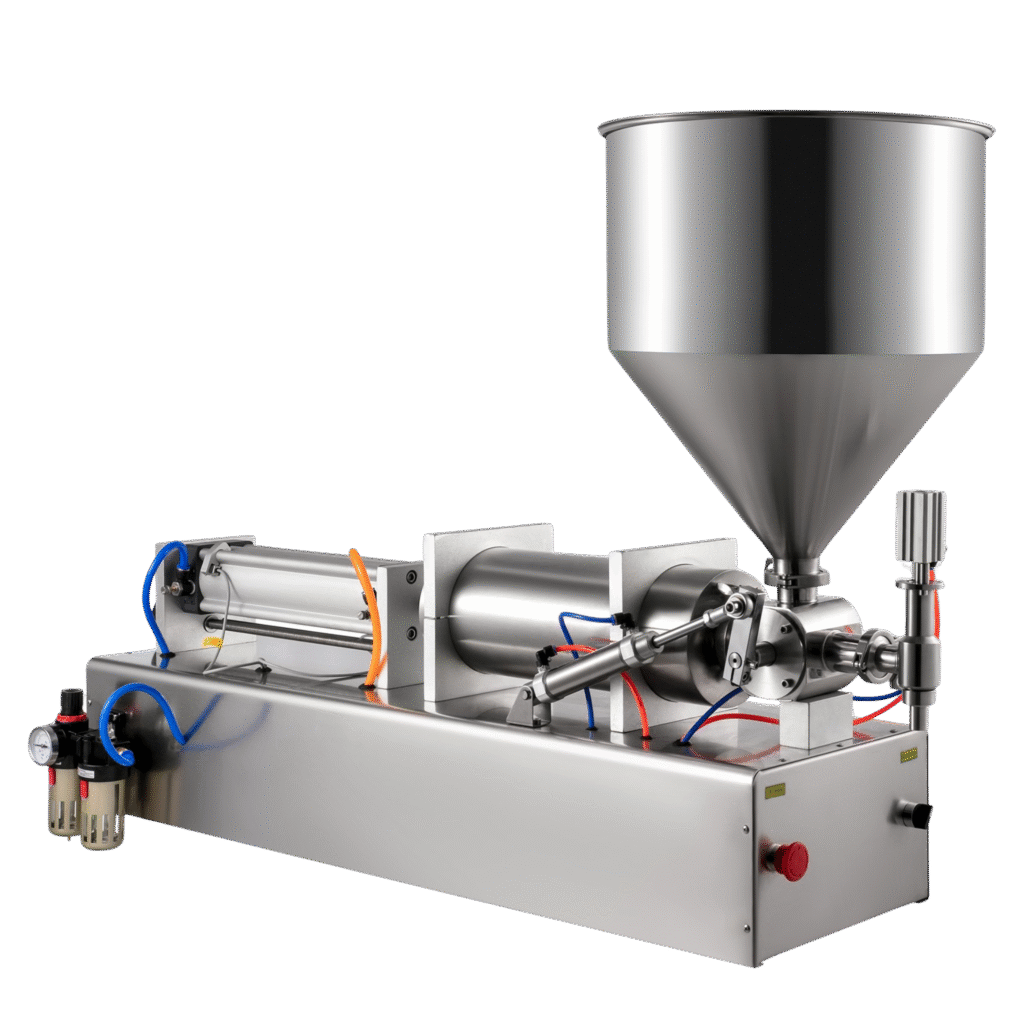
How Do Liquid and Paste Filling Machines Work?
Though the exact mechanism varies by type, the general process includes:
- Product Intake: The machine draws the liquid or paste from a hopper or storage tank.
- Metering System: A precise volumetric, piston, or pump-based system measures the exact amount.
- Filling: The product is dispensed into containers via filling nozzles.
- Container Handling (Optional): In automatic models, containers are fed, filled, and moved along a conveyor for capping or labeling.
Advanced machines feature PLC control, touchscreens, anti-drip nozzles, and servo motors for accuracy.
Types of Liquid and Paste Filling Machines
Different product viscosities and applications require different filling mechanisms. Here are the most common types:
1. Gravity Filling Machine
- Best for: Free-flowing, low-viscosity liquids (e.g., water, juice, vinegar).
- Working Principle: Uses gravity to let the liquid flow into containers from a storage tank above.
- Pros: Simple, cost-effective, minimal maintenance.
- Cons: Not suitable for thick or viscous products.
2. Piston Filling Machine
- Best for: Medium to high-viscosity products like lotions, sauces, honey, creams.
- Working Principle: A piston draws the product into a cylinder and pushes it into the container.
- Pros: High accuracy, handles thick products well.
- Cons: Requires cleaning and maintenance of pistons and valves.
3. Pump Filling Machine
- Best for: Products that vary in viscosity or require pressure-based filling (e.g., oils, detergents, gels).
- Working Principle: Uses gear, peristaltic, or lobe pumps to control product flow.
- Pros: Versatile, hygienic (especially peristaltic), good for pharma and cosmetics.
- Cons: Slightly more complex setup.
4. Overflow Filling Machine
- Best for: Transparent liquids in bottles where a uniform fill level is crucial (e.g., glass cleaner, beverages).
- Working Principle: Fills until the product reaches a fixed level and overflows back into a reservoir.
- Pros: Visual uniformity, great for retail aesthetics.
- Cons: Product loss unless recirculation is used.
5. Servo-Driven Volumetric Fillers
- Best for: High-precision applications in pharma, cosmetics, or specialty foods.
- Working Principle: Uses a servo motor to control piston or pump movement.
- Pros: Ultra-precise, programmable, flexible fill volumes.
- Cons: Higher initial cost.
We offer a wide range of industrial-grade filling machines tailored for liquids and pastes whether you’re a small startup or a large-scale manufacturer. Every machine is designed with precision, hygiene, and productivity in mind.
Contact Us Now to speak with a filling system specialist or request a free quote.