
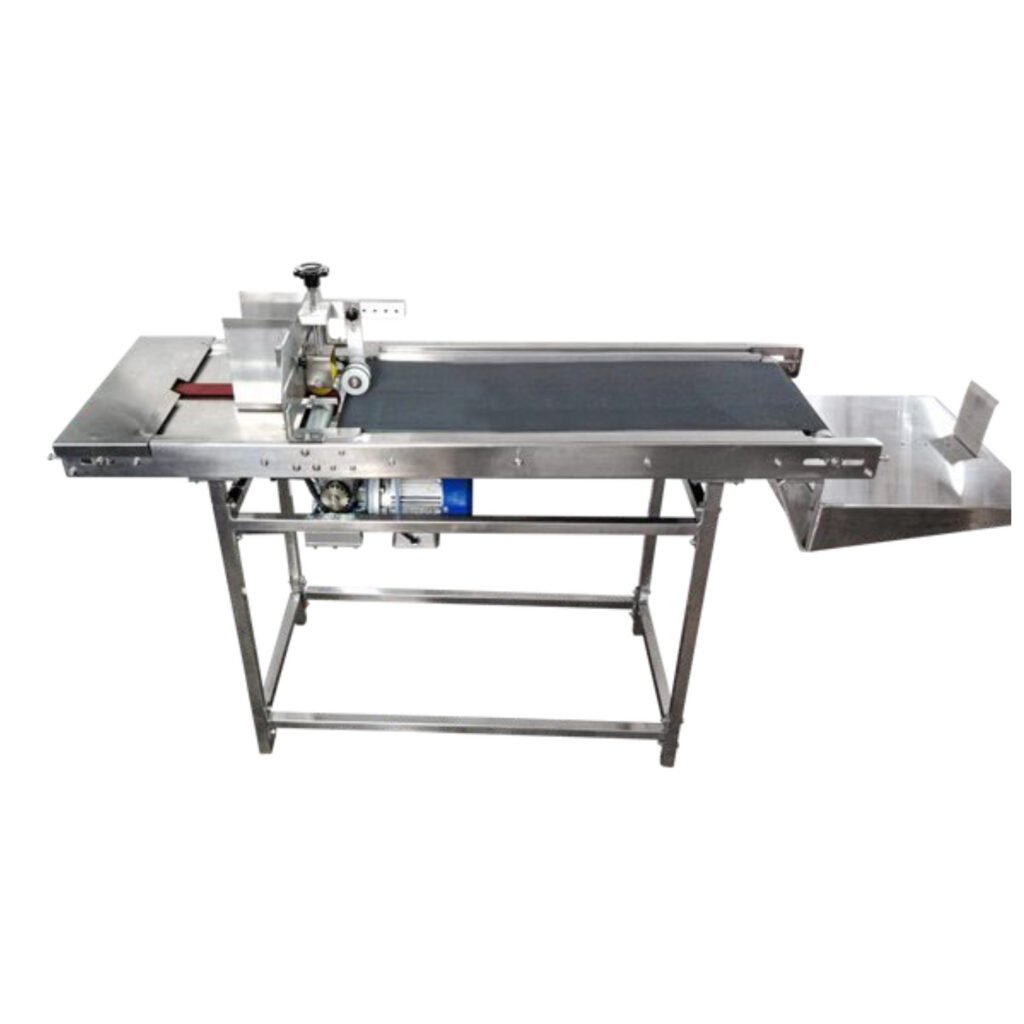
Conveyor Belts: Types, Applications, and Benefits
In today’s fast-paced industrial world, conveyor belts are the backbone of material handling systems. From manufacturing plants and airports to warehouses and packaging units, conveyor systems streamline operations, reduce manual labor, and enhance productivity.
But what exactly are conveyor belts, how do they work, and why are they essential to so many industries?
In this blog, we’ll explore the basics of conveyor belts, their types, applications, benefits, and tips on choosing the right one for your needs.
What is a Conveyor Belt?
A conveyor belt is a continuous moving band made from durable materials, used for transporting objects from one point to another. It typically consists of:
- A belt (rubber, PVC, PU, metal, or fabric)
- A drive mechanism (motor)
- Rollers or pulleys
- A support structure/frame
The belt runs over the pulleys and is powered by a motor that drives it forward. Items placed on the belt move along with it, making it easier to transport products across distances within a facility.
Types of Conveyor Belts
There are several types of conveyor belts, each designed for specific applications. Here are the most common:
1. Flat Belt Conveyors
- Description: The most widely used type.
- Material: Rubber, PVC, or fabric.
- Applications: Assembly lines, sorting systems, inspection, packing.
2. Modular Belt Conveyors
- Description: Made of interlocking plastic segments.
- Advantages: Easy to repair, hygienic.
- Applications: Food processing, bottling plants, pharmaceuticals.
3. Cleated Belt Conveyors
- Description: Features vertical cleats that help move materials up inclines.
- Applications: Agriculture, mining, food handling.
4. Incline/Decline Belt Conveyors
- Purpose: Move items between different heights or levels.
- Applications: Warehouses, packaging lines.
5. Roller Conveyors
- Description: Use rollers instead of a continuous belt.
- Types: Gravity or motorized.
- Applications: Heavy goods handling, logistics centers.
6. Magnetic Belt Conveyors
- Special Feature: Uses magnets to hold ferrous materials in place.
- Applications: Metal stamping, scrap handling.
7. Specialty Conveyors
- Include vacuum conveyors, trough belt conveyors, and flexible conveyors, used for unique requirements like powder transport, narrow spaces, or variable paths.
Applications of Conveyor Belts
Conveyor belts are indispensable in numerous industries. Key applications include:
Recycling Plants: Sorting and moving recyclables efficiently.
Manufacturing: Moving raw materials, parts, or assembled products.
Warehousing & Distribution: Sorting and transferring goods.
Food & Beverage: Hygienic transfer of edible products.
Mining & Quarrying: Transporting heavy minerals, coal, or ores.
Pharmaceuticals: Sterile product handling and packaging.
Airports: Baggage handling systems.
From improving efficiency to ensuring safety and reducing operational costs, conveyor belts play a vital role across diverse industries. Whether you’re looking to upgrade your current system or install a new one, understanding the types, uses, and maintenance of conveyor belts can help you make informed decisions.
At Raghuveer Enterprise , we offer high-quality, customizable conveyor belt solutions tailored to your industry needs. Contact us today for a free consultation or quote.